In today’s competitive business world, the right tools can make or break your company. Custom software is one of those tools that can completely transform your business operations. Unlike off-the-shelf software, which is made for everyone, custom software is designed specifically for your company’s needs.
If you are a CEO, founder, or business owner, understanding custom software development can help you make better decisions, streamline operations, and gain a competitive edge. This guide covers everything from what custom software is, its benefits, development process, real-life examples, and how to choose the right company for your project.
What Is Custom Software?
Custom software, also known as a custom program, is software built specifically for a business or organization. It is different from standard software that is made for mass use. Custom software is tailored to fit your workflows, goals, and unique challenges.
At AppsGlobal, we specialize in creating tailored solutions that help companies streamline operations and gain a competitive edge.
For example, a retail business may need a custom CRM system to manage customer loyalty, track sales, and automate marketing campaigns. A healthcare provider may require custom medical software to manage patient records securely and meet regulatory compliance.
Some important questions about custom software:
What is a custom program? It’s a software solution designed for a specific business need.
Is custom a type of software? Yes, it is built for a particular organization or individual.
What are the four types of software? They are system software, application software, development software, and embedded software.
What are types of computer software? They include application software, system software, programming software, and custom software.
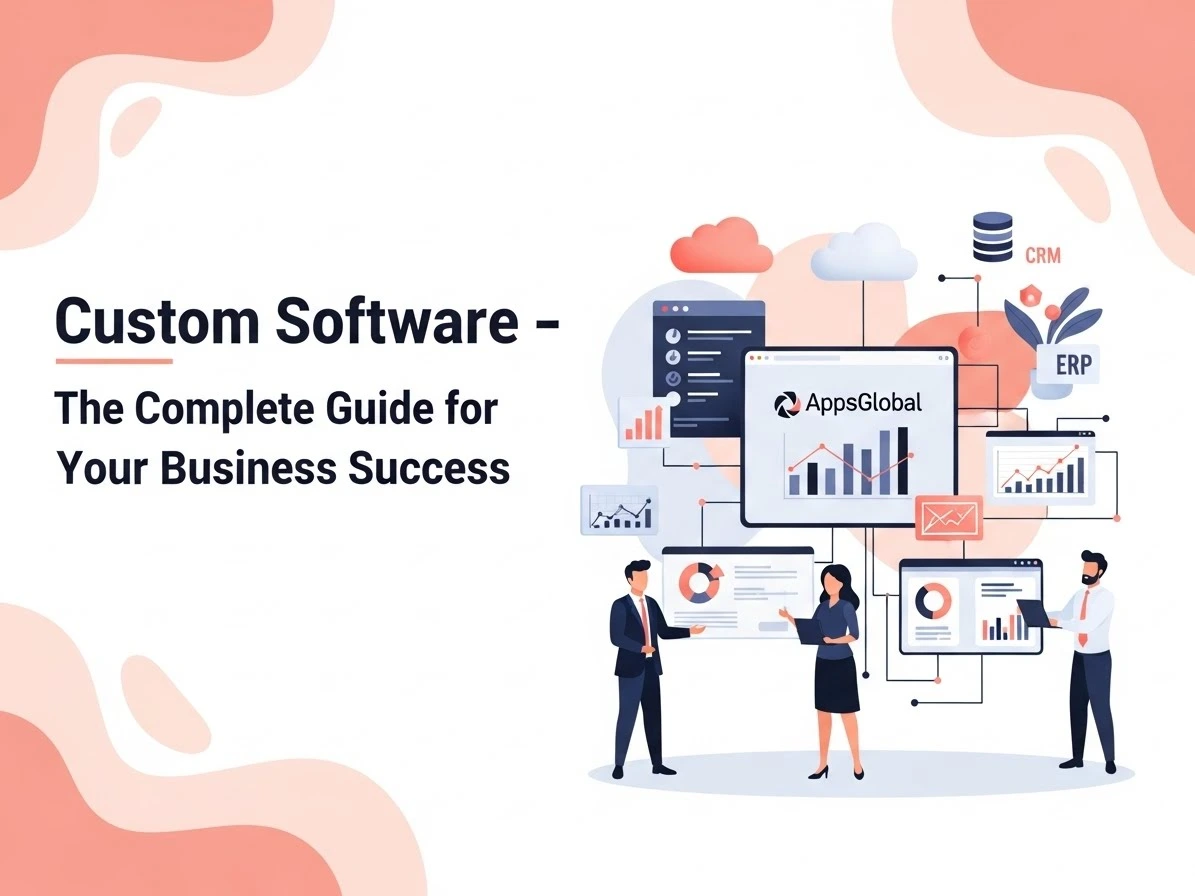
Custom software can include solutions like custom database software, ERP systems, CRM systems, or industry-specific applications. The main advantage is that it fits your business perfectly, unlike generic software.
Advantages and Disadvantages of Custom Software
Before investing in custom software, it’s essential to know the benefits and potential challenges.
Advantages
Tailored to Your Business Needs
Custom software is built specifically for your company, ensuring that every feature solves a real business problem. For example, a logistics company can have software that automatically tracks deliveries and updates inventory in real-time.Better Integration
Custom software can integrate with your existing systems, like accounting, ERP, or CRM platforms, to streamline operations. Off-the-shelf software often cannot provide this level of integration.Scalability
As your business grows, custom software can evolve with you. You can add new features, expand to new departments, or scale up operations without limitations.Competitive Advantage
Unique software allows you to outperform competitors. For instance, a manufacturing company using a custom production tracking system can optimize operations better than competitors using standard solutions.Ownership and Control
You own the software entirely. This means you control updates, security, and enhancements without relying on third-party vendors.
Disadvantages
Higher Initial Cost
Custom software development requires investment in development, design, and testing. However, the ROI often outweighs the upfront cost.Time-Consuming
Creating software from scratch takes longer than buying an existing solution.Maintenance Required
Custom software requires ongoing support and updates, which means you’ll need a reliable development partner.Complexity
Advanced software development can be complicated and requires skilled developers and proper project management.
Overall, the advantages usually outweigh the disadvantages, especially for businesses that need flexible and tailored solutions.
Types of Custom Software
Custom software is not one-size-fits-all. Businesses can have different types of custom solutions based on industry and requirements:
1. Custom Database Software
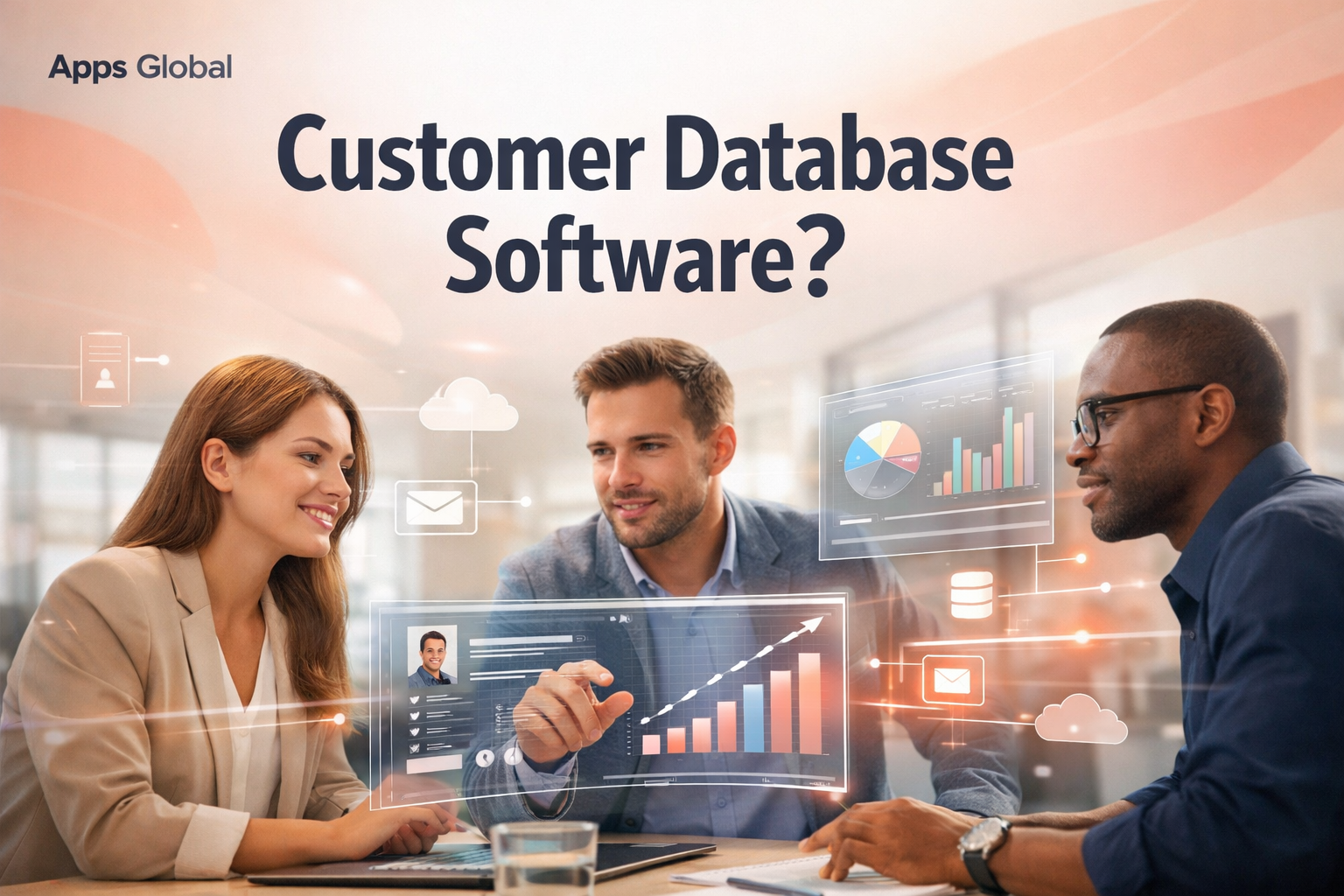
A tailored database helps your business manage information efficiently, track customers, and generate reports. For example, a retail chain can use a database to manage inventory across multiple stores.
2. Custom Manufacturing Software
Manufacturing companies can use custom software to manage production, track supply chains, monitor machine performance, and optimize operations.
3. Custom Medical Software Development
Healthcare providers need secure and reliable systems for patient management, appointment scheduling, billing, and compliance. Custom medical software ensures all data is protected and workflows are optimized.
4. Custom Business Software Development
Custom software can help businesses with accounting, HR management, employee tracking, and other operational needs.
5. Customer Relationship Management (CRM) Systems
Custom CRM software helps track leads, manage customer engagement, and implement loyalty programs effectively.
6. ERP Custom Software
ERP (Enterprise Resource Planning) software integrates multiple business processes, such as finance, HR, supply chain, and production, into one system. Custom ERP solutions help your business run more efficiently.
How Custom Software Is Developed
Developing custom software is a structured process. Here’s a step-by-step guide for better understanding:
Step 1: Planning & Requirements
The first step is understanding your business goals and challenges. You identify the problems the software will solve and list the necessary features. For example, a logistics company might need real-time tracking, automated reports, and customer notifications.
Step 2: Design & Prototyping
Once requirements are clear, designers create a blueprint. Wireframes and prototypes show how the software will look and function. User experience and interface design are crucial here.
Step 3: Coding & Development
Developers start building the software based on the design. This stage includes programming, creating databases, and setting up integrations. Experienced developers ensure the software is reliable, scalable, and secure.
Step 4: Testing & Quality Assurance
Before launch, the software undergoes thorough testing. Bugs are fixed, performance is optimized, and usability is checked. Testing ensures the software is robust and ready for real-world use.
Step 5: Deployment & Support
Finally, the software is deployed in your business environment. Ongoing support and updates ensure smooth operation and allow the software to evolve with your business needs.
Partnering with a reliable company like AppsGlobal Custom Software Services ensures your software is built efficiently and tailored to your goals. You can also check our Pricing & Investment Calculations to understand how custom software fits your budget and delivers measurable ROI.
How to Make a Custom Software
Many business owners ask: How to make a custom software?
Here’s a simple approach:
Identify Business Needs
Clearly define your goals, pain points, and desired outcomes.Hire Skilled Developers or Agencies
Look for experienced custom software development companies or agencies.Define Features & Workflow
List all required features, modules, and integrations.Design the Software
Focus on user experience, interface design, and simplicity.Develop & Test
Build the software step by step, test each function, and fix issues promptly.Launch & Maintain
Deploy the software and ensure regular updates and technical support.
Choosing a trusted partner, like AppsGlobal Custom Software Services, ensures a high-quality, scalable, and reliable solution.
Choosing the Right Custom Software Development Company
Selecting the right company is crucial for your success. Consider the following:
Experience & Expertise: Look for companies with proven experience in your industry.
Location Awareness: If you prefer local support, check for companies in London, UK, Chicago, USA.
Custom Solutions: Ensure the company delivers tailored software, not templates.
Support & Maintenance: Reliable post-launch support is essential.
Commercial Insight: The company should understand your business goals, not just technical coding.
Some trusted options include custom software development agencies, UK or USA companies, and local experts in Chicago or London.
Real-World Examples of Custom Software
Here’s how different industries use custom-developed software:
Healthcare & Pharma: Hospitals use custom medical software to manage patient records, appointments, and compliance efficiently.
Manufacturing: Custom manufacturing software tracks production, inventory, and supply chains, reducing delays and errors.
Business & Enterprise: ERP systems, CRMs, and financial management software improve operational efficiency and decision-making.
Retail & E-commerce: Custom solutions for loyalty programs, online portals, and AI-driven customer engagement improve sales and retention.
These examples highlight how custom software increases efficiency, reduces errors, and drives business growth.
FAQs About Custom Software
1. What is custom software?
Custom software is a program built specifically for your business, designed to solve unique problems and fit your workflow perfectly.
2. How to make a custom software?
Identify your business needs, hire skilled developers or an agency, define features, design, develop, and maintain the software.
3. What is a custom program?
A custom program is software created for a specific business or task, tailored to meet exact requirements.
4. Is custom a type of software?
Yes, custom software is a specialized software solution designed for individual businesses.
5. What are the four types of software?
System software, application software, development software, and embedded software.
6. What are types of computer software?
Application software, system software, programming software, and custom software.
7. Can I get custom software in London or USA?
Absolutely! Many businesses in London, UK, Chicago, and USA use custom software to improve efficiency, customer engagement, and operational performance. Partnering with a trusted development company ensures reliable support and tailored solutions.
Why Your Business Should Invest in Custom Software Today
Custom software is not just a technology investment it’s a business strategy.
Tailored solutions increase productivity and reduce errors.
Scalability ensures your software grows with your business.
Unique software provides a competitive advantage.
Enhanced customer experience through custom apps and CRM systems improves engagement and loyalty.
Ready to take your business to the next level? Explore AppsGlobal Custom Software Services to get a solution designed specifically for your company.
Emerging Trends in Custom Software
Custom software is evolving rapidly. Some trends include:
AI Integration: Software that can analyze data, predict trends, and automate tasks.
SaaS Solutions: Cloud-based apps for easy updates and scalability.
Mobile & Online Applications: Work from anywhere and improve customer engagement.
Enterprise Systems: Integrated platforms for HR, finance, inventory, and operations.
Keeping up with these trends ensures your software is future-ready and competitive.
Conclusion:
Investing in custom software is a strategic move for any business. From improving efficiency to providing a competitive edge, the benefits are clear. By understanding your business needs, partnering with the right development company, and following a structured development process, your company can harness the full power of custom software.
Start your journey today with AppsGlobal Custom Software Services and transform your business operations for growth and success.